
Understanding the ABCs: A Comprehensive Guide to the Alphabet in Elementary Education
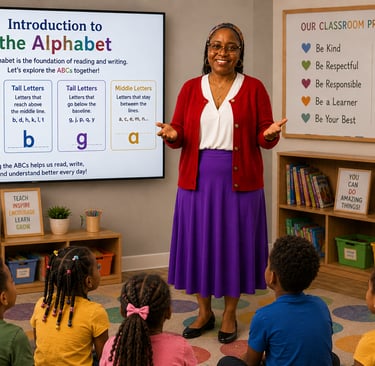
The alphabet serves as the foundation of written communication and is crucial in elementary education. In this guide, we will explore the ABCs, breaking them down into various categories such as consonants, vowels, tall letters, tail letters, and middle letters, providing a thorough understanding of their significance in early learning.
5/27/20264 min read

Introduction to the Alphabet
The alphabet serves as the foundation of written communication and is crucial in elementary education. In this guide, we will explore the ABCs, breaking them down into various categories such as consonants, vowels, tall letters, tail letters, and middle letters, providing a thorough understanding of their significance in early learning.
Categories of the Alphabet
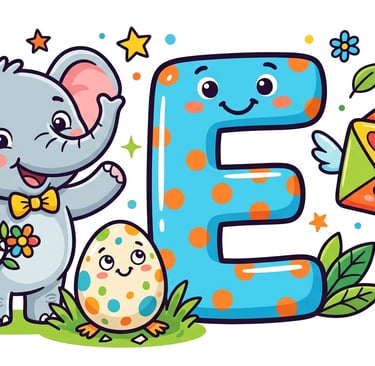
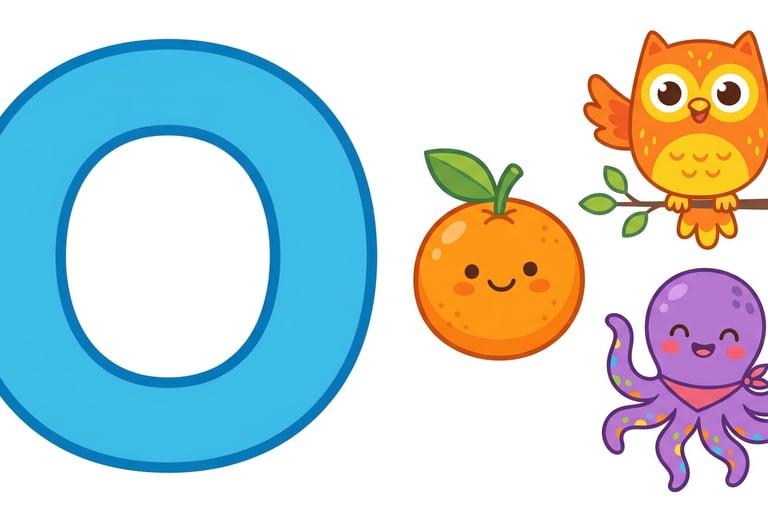
The alphabet consists of 26 letters, which can be categorized into two primary groups: vowels and consonants. Vowels include A, E, I, O, and U, while the remaining letters are classified as consonants. This distinction is essential for young learners as it aids in phonetic understanding and the development of reading skills.
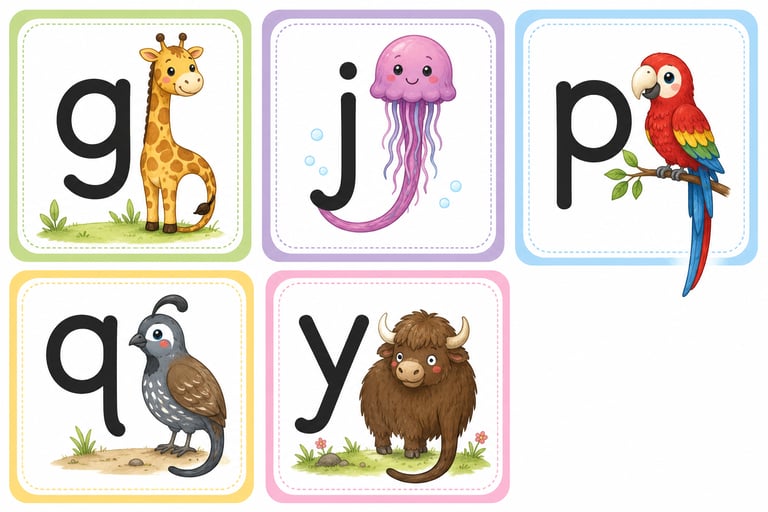
Furthermore, letters can be identified based on their height and placement within words. For instance, tall letters such as b, d, and h extend above the standard letter height, enhancing the visual aspect of literacy. In contrast, letters like g and p are known as tail letters due to their descending features. Recognizing these characteristics helps students in writing as they grasp the lengths and structures of different letters.
Practical Application in Learning
To effectively teach the ABCs, educators can incorporate fun and interactive activities that align with students’ learning preferences. Engaging students through songs, games, and art can reinforce letter recognition and facilitate an enjoyable learning experience.
Additionally, employing visual aids, such as charts and flashcards, can help in illustrating the various letter categories. Activities such as sorting letters into their respective groups (vowels vs. consonants, tall vs. tail letters) can reinforce recognition and retention. Such gameplay encourages participation and solidifies the foundational knowledge necessary for proficient reading and writing.
Conclusion
Understanding the ABCs is critical in elementary education, serving as the gateway to literacy. By categorizing the alphabet into consonants, vowels, tall letters, and tail letters, educators equip students with the knowledge necessary for further linguistic development. Utilizing engaging teaching methods, including sorting activities and visual aids, enhances learning outcomes and fosters a love for reading among early learners. By mastering the ABCs, students will be empowered to embark on their literary journey with confidence.





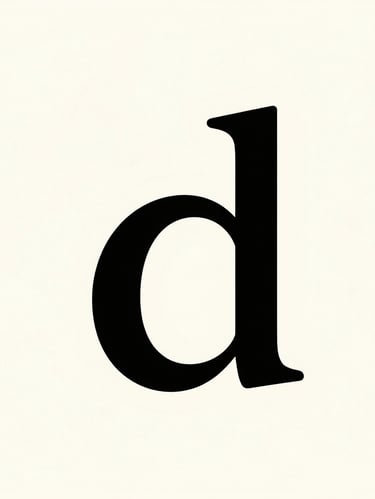
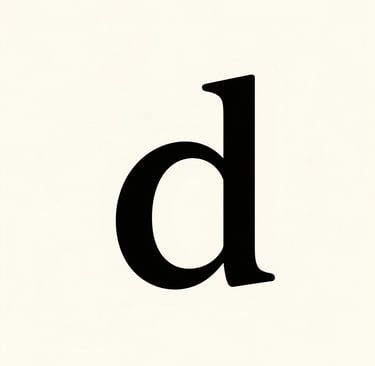


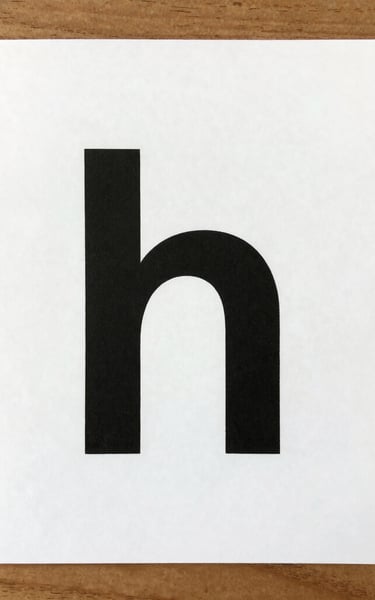



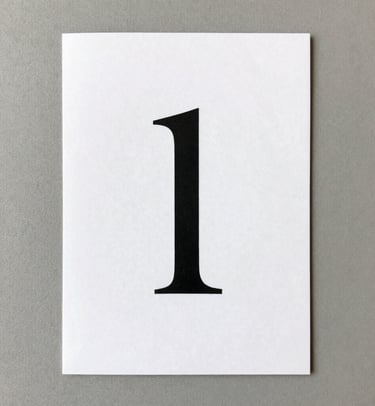

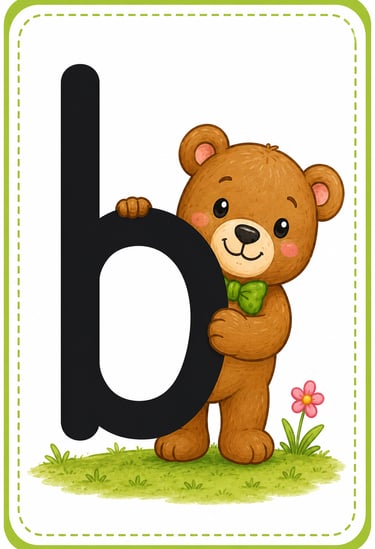


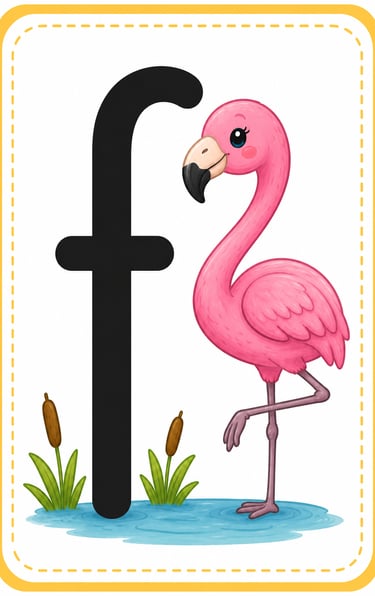
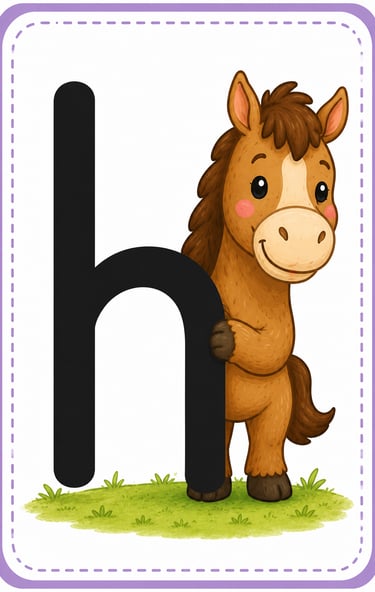
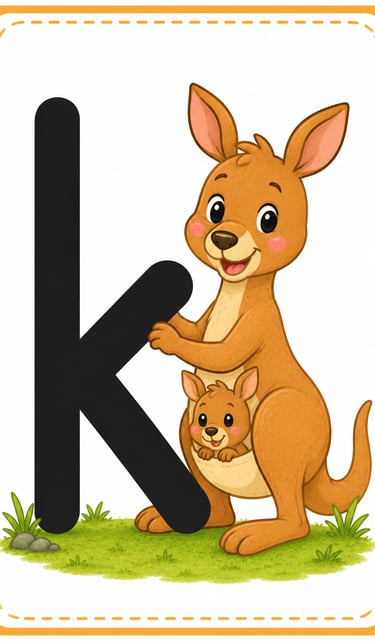
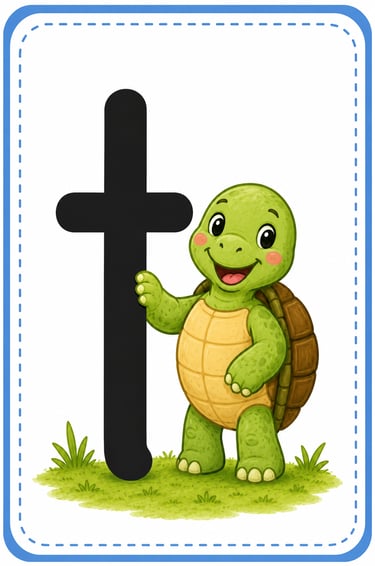

Tall/Tail Letter Cards
Beautifully crafted cards for b, d, f, h, k, l, t letters.
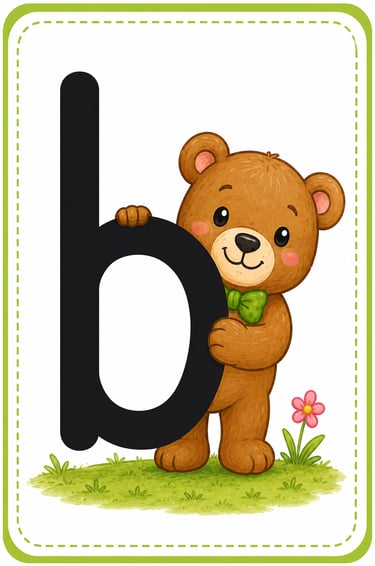
Letter b Card
Bright and cheerful 'b' with a curly tail design.
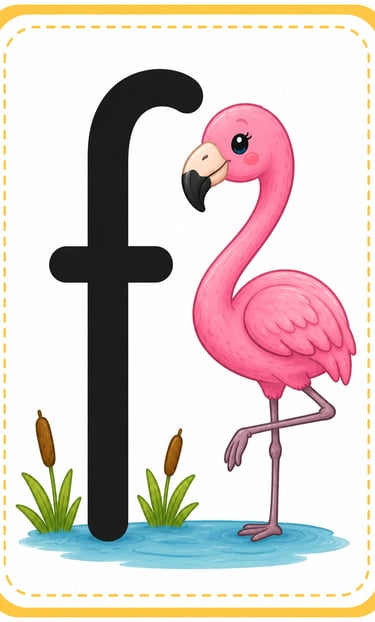
Letter f Card
Elegant 'f' featuring a flowing tail to engage kids.
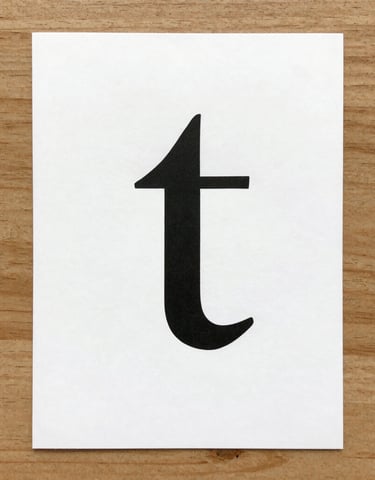
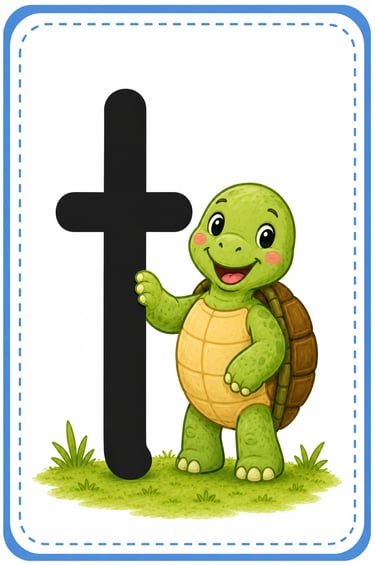
Letter t Card
Playful 't' with a long tail that sparks imagination.


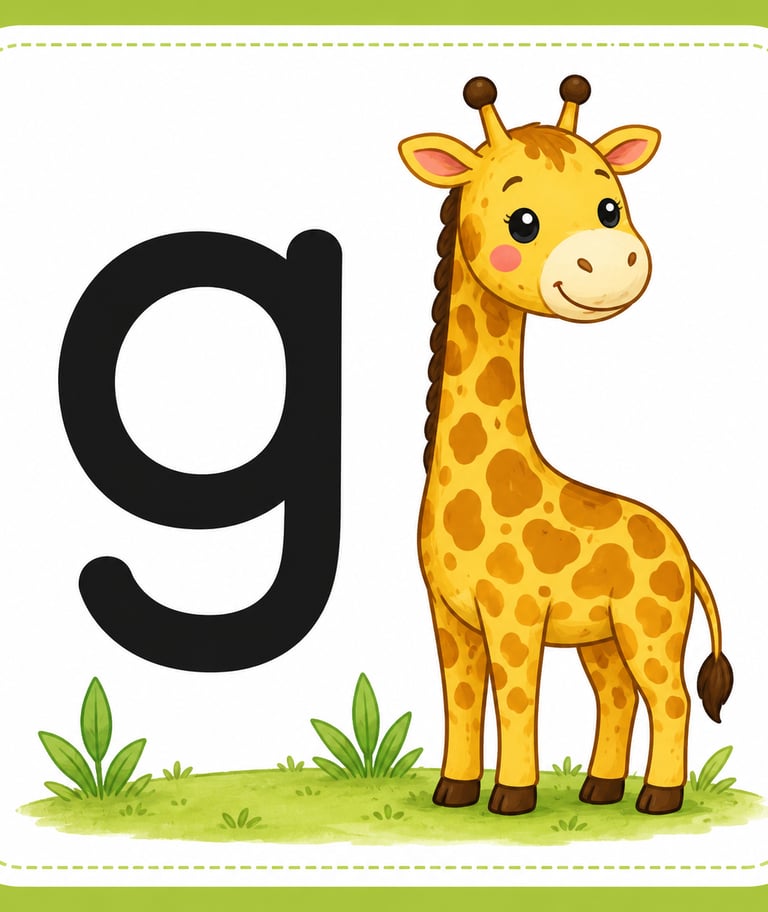
Letter g Card
Playful 'g' with a long tail that sparks imagination.
Letter p Card
Bright and cheerful "p" with a curly tail design.
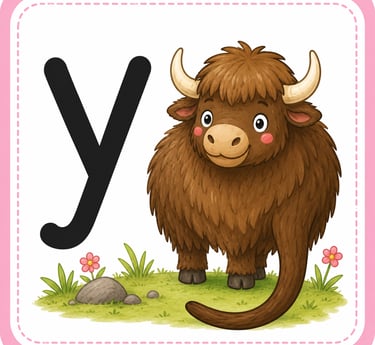
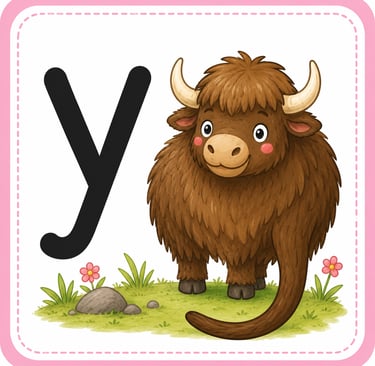
Letter y Card
Elegant 'y' featuring a flowing tail to engage kids.

Letter l Card
Elegant 'j' featuring a flowing tail to engage kids.

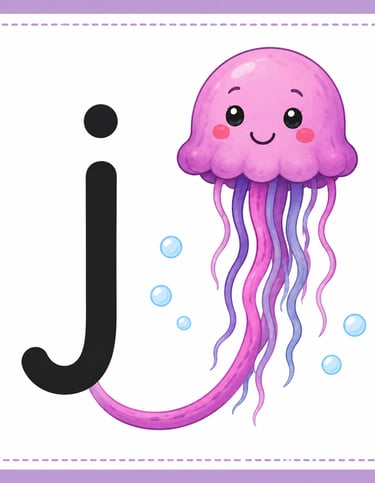
Letter j Card
Elegant 'p' featuring a flowing tail to engage kids.
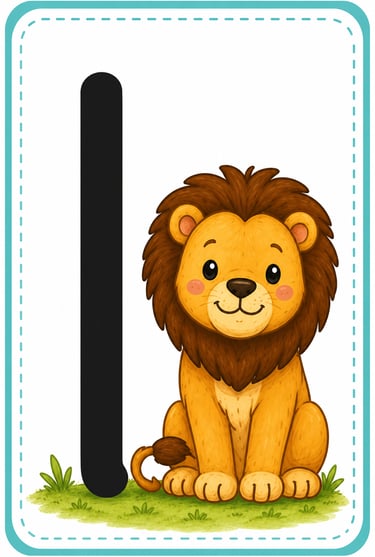
Letter p Card
Elegant 'l' featuring a flowing tail to engage kids.
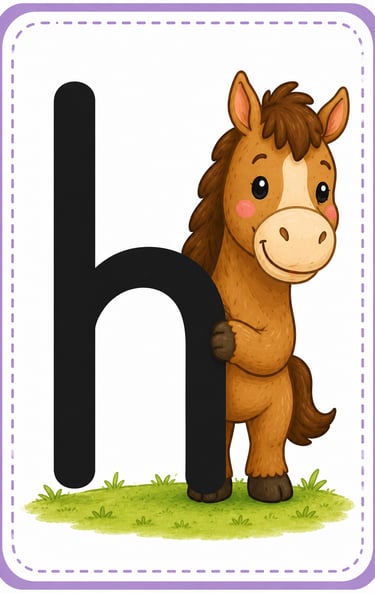
Letter h Card
Elegant 'h' featuring a flowing tail to engage kids.